
Understanding the psychological triggers behind high-stakes gambling decisions
The Illusion of Control
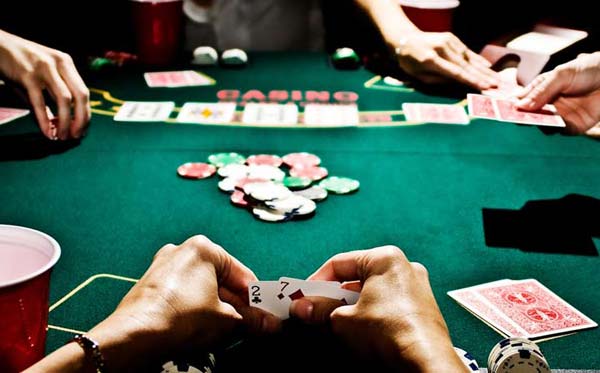
One of the primary psychological triggers behind high-stakes gambling is the illusion of control. Many gamblers believe they can influence the outcome of a game through their choices, skills, or rituals. This notion creates a false sense of confidence, driving them to wager larger sums in hopes of beating the odds. Research shows that this belief is particularly prevalent in games that involve skill, such as poker, where players feel their strategic decisions can sway the game’s outcome. In this context, finding a fast withdrawal casino can enhance the player experience by ensuring quick access to winnings.

This illusion can be compounded by near-misses—when a player comes close to winning but ultimately loses. These experiences can reinforce the belief that they are on the brink of success, encouraging them to continue betting larger amounts in pursuit of that elusive win. Understanding this psychological phenomenon is crucial for recognizing the dangers of high-stakes gambling.
The Role of Emotion
Emotions play a significant role in high-stakes gambling decisions. The thrill of betting large amounts can release dopamine, a neurotransmitter associated with pleasure and reward, creating a cycle where the gambler craves more of the high associated with winning. This emotional response can cloud judgment, leading individuals to make impulsive decisions that they may later regret.
Moreover, negative emotions, such as stress or anxiety, can drive individuals to gamble as a means of escape. In high-stakes environments, the stakes can elevate these feelings, making it easier for gamblers to lose sight of their limits. Recognizing how emotions affect gambling behavior is crucial for developing responsible gambling practices.
The Influence of Social Factors
Social factors can significantly impact high-stakes gambling decisions. The presence of peers or a competitive atmosphere can lead to increased risk-taking behaviors. Gamblers may feel compelled to wager larger amounts to impress others or fit in with a group, often disregarding their financial limits.
Additionally, advertisements and media portrayals can glamorize high-stakes gambling, enticing individuals to participate. This societal influence can normalize risky behaviors and create an environment where excessive gambling appears acceptable. Understanding these social pressures is essential for recognizing how they can drive high-stakes decisions.
The Trap of Cognitive Dissonance
Cognitive dissonance plays a significant role in how gamblers rationalize their decisions. When players experience a loss, they often seek to justify their actions to align their beliefs with their behaviors. This rationalization can lead to chasing losses—continuing to gamble in hopes of recovering lost funds, which can escalate into even larger stakes.
This mental conflict can create a cycle where the gambler continuously escalates their risk, believing they can ultimately break even. Recognizing this cognitive trap is vital for individuals to develop healthier attitudes toward gambling and avoid falling deeper into high-stakes scenarios.
Conclusion and Responsible Gambling Resources
Understanding the psychological triggers behind high-stakes gambling decisions is essential for fostering responsible gambling practices. By recognizing the illusion of control, the influence of emotions, social factors, and cognitive dissonance, players can make more informed choices. Resources for responsible gambling can provide valuable guidance and support for those navigating the challenges of high-stakes environments.
Educating oneself and seeking help when needed can lead to a healthier relationship with gambling. Websites dedicated to promoting responsible gaming offer insights and strategies that can empower players to enjoy gambling in a safe and controlled manner.